There is no independent ranking that measures which helicopter flight simulator or airplane flight simulator lasts the longest. Operational lifespan is not a fixed figure printed on a specification sheet: it depends on how the device is designed, how intensively it is used, how well it is maintained and whether it can be upgraded as aircraft, technology and regulations change.
The most durable flight simulators therefore share a set of verifiable characteristics: a robust and maintainable cockpit, modular systems that can be replaced or upgraded individually, available spare parts, a structured maintenance programme and long-term support from the manufacturer. This article explains those characteristics for both rotary-wing and fixed-wing devices, and how to evaluate them before investing.
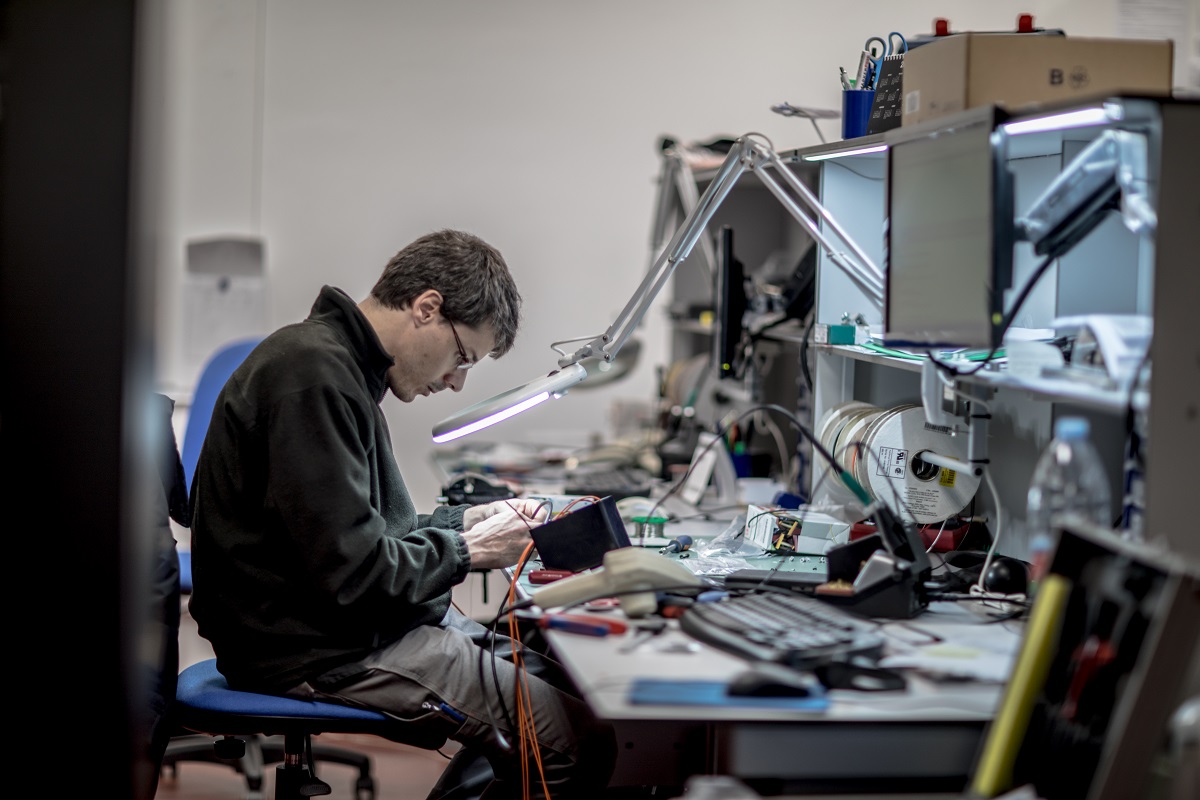
What makes a flight simulator durable?
A durable flight simulator is a Flight Simulation Training Device (FSTD) that can keep delivering qualified, representative training for many years without requiring complete replacement. Physical robustness is only part of that equation.
Physical durability vs. useful training life
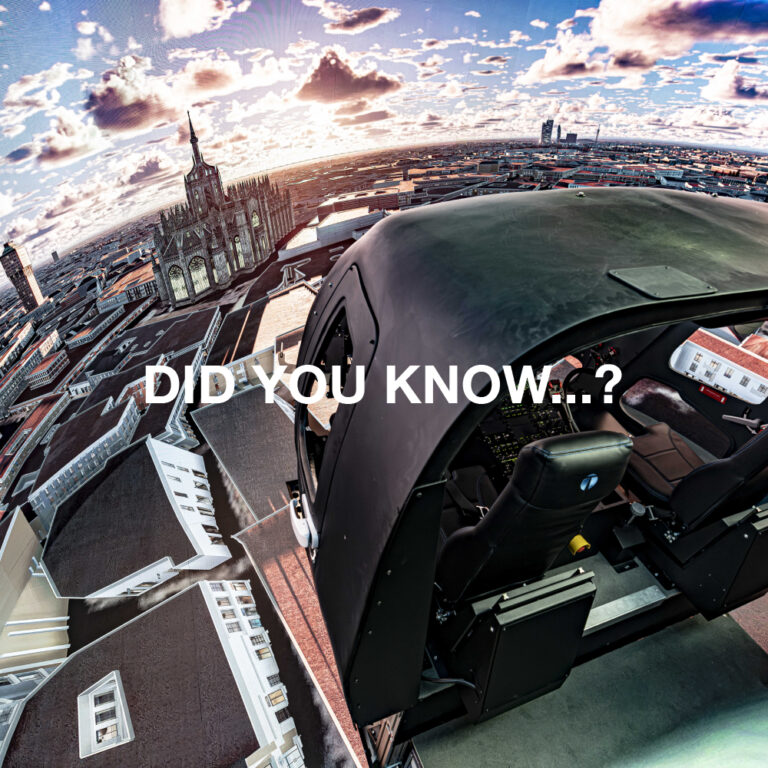
The structure, cockpit shell and many mechanical parts of a simulator can remain in service for a long time when they are properly maintained. Computers, displays, image generators and software, however, evolve much faster. A simulator reaches the end of its useful life when it can no longer be maintained, kept qualified or adapted to the operator’s training needs, which often happens before its structure wears out.
For this reason, the question for buyers is not only “how long will this device last?”, but “how long will this device remain useful, maintainable and qualified?”.
Five characteristics of a long-lasting simulator
- Robust cockpit and controls designed for intensive daily use by many different crews.
- Modular architecture, so that visual systems, computers, avionics and other subsystems can be replaced without replacing the whole device.
- Spare parts availability and documented maintenance procedures.
- Upgradeability to follow changes in aircraft configuration, avionics and training requirements.
- Long-term manufacturer support, including technical assistance, software corrections and help with recurrent evaluations.
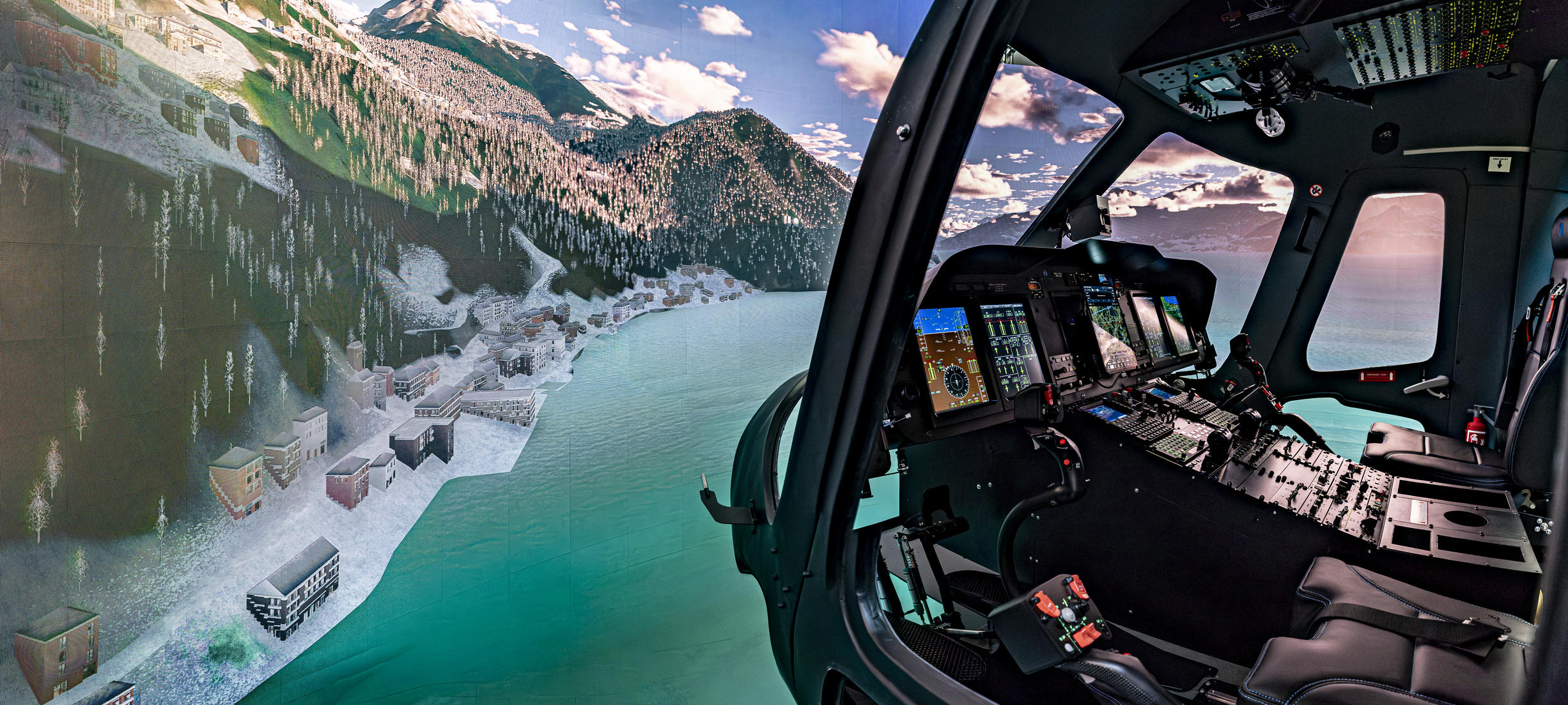
Durability factors in a helicopter flight simulator
Helicopter training places specific demands on a simulator. Low-level manoeuvres, hover work, confined-area operations and emergency procedures require continuous control inputs and rich sensory cues, and many operators fly very different mission profiles with the same aircraft type.
The helicopter simulator cockpit and flight controls
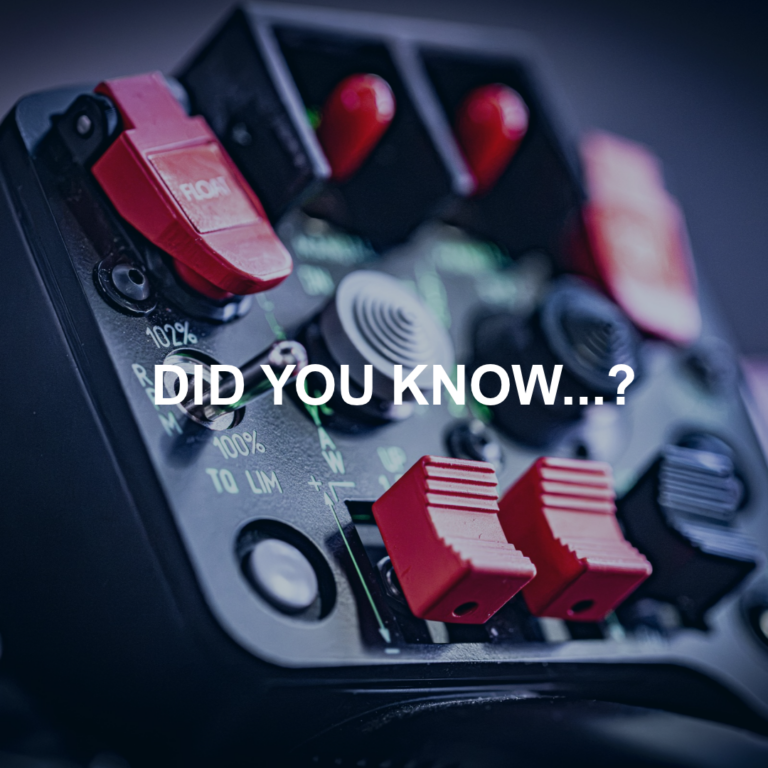
The helicopter simulator cockpit is the part of the device that pilots use most directly. Cyclic, collective and pedals are operated constantly during every session, so the durability of the controls and of the control loading system has a direct impact on availability. Preventive inspection of control loading components is a routine part of a well-run maintenance programme.
Vibration and cueing systems
Vibration cues help helicopter pilots recognise conditions such as vortex ring state, translational lift or ground contact. These systems are subject to continuous dynamic loads, so their design and maintainability matter for the long-term availability of the device. entrol’s vibration system, for example, uses four electromagnetic actuators with pneumatic support to transmit vibration to the whole cockpit.
Adapting to fleet and mission changes
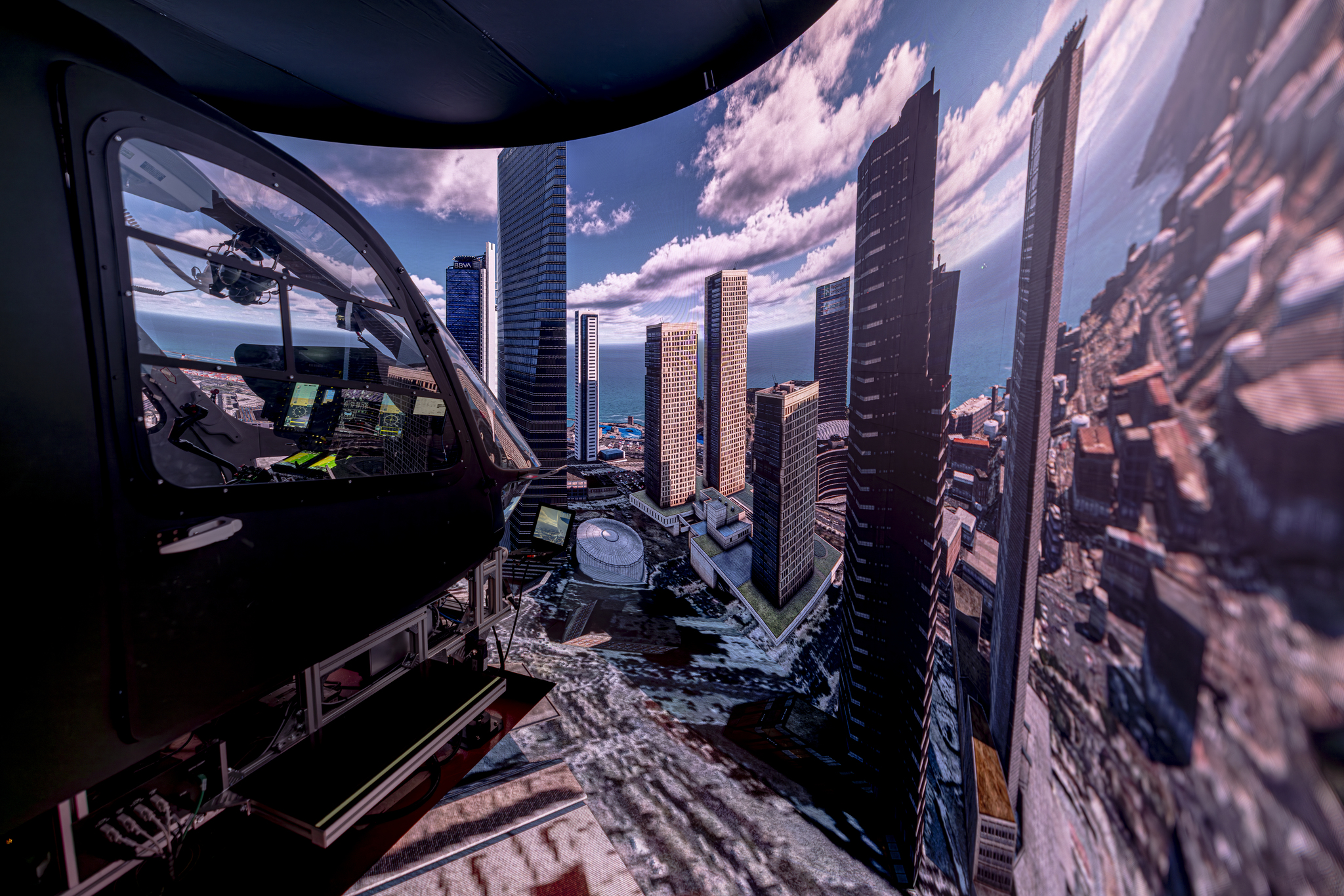
Helicopters frequently receive avionics updates, role equipment and mission-specific configurations over their service life. A helicopter flight simulator that can be reconfigured to reflect those changes, through new avionics, optional equipment or updated visual databases, remains relevant for longer than a device that is fixed to its original configuration.
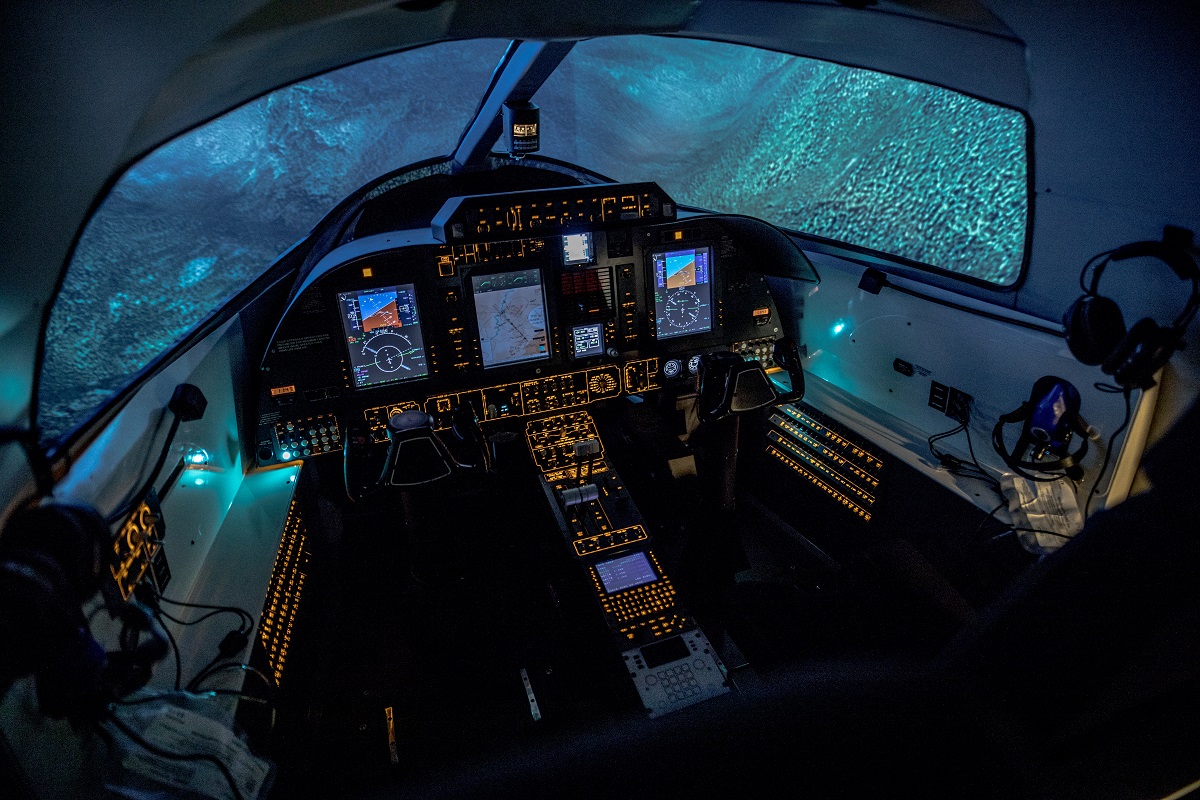
Durability factors in an airplane flight simulator
Fixed-wing devices cover a wide range of uses, from procedural training in flight schools to aircraft-specific training for operators. Their durability profile depends largely on that use.
Procedures trainers under intensive use
FNPT II and AATD devices used for instrument, ATPL and MCC courses often operate long hours with many students. For these devices, robust controls and panels, reliable computers and easy access for maintenance are the main factors that keep the simulator available throughout its life.
Aircraft-specific FTDs
An aircraft flight training device (FTD) replicates a specific aircraft. Its long-term value depends on how accurately it continues to represent the operator’s fleet. When the aircraft changes, through new avionics or modifications, the simulator must be updated as well.
The table below summarises the main durability considerations for each type of device.
| FACTOR | HELICOPTER FLIGHT SIMULATOR | AIRPLANE FLIGHT SIMULATOR |
| Most-used components | Cyclic, collective, pedals and control loading | Yoke or sidestick, throttles, panels and control loading |
| Sensory cueing | Vibration and, where fitted, motion cues | Visual and sound cues; motion cues were fitted |
| Configuration changes | Role equipment, mission kits and avionics updates | Avionics updates and fleet modifications |
| Typical intensive use | Mission training, proficiency checks and recurrent training | IR, ATPL and MCC courses; type and recurrent training |
| Key to long life | Maintainable cueing systems and reconfigurable cockpit | Robust controls, upgradeable avionics and computing |
Regulatory continuity: keeping a simulator qualified throughout its life
A simulator only delivers training value while it remains qualified by the competent authority. Under both EASA and FAA frameworks, qualification is maintained through recurrent evaluations and ongoing maintenance, so regulatory continuity is a central part of operational lifespan.
In the United States, 14 CFR Part 60 sets out how an FSTD keeps its qualification:
- The standards used for the initial qualification of an FSTD are used for all subsequent evaluations of that device.
- The sponsor must perform the applicable objective tests each year and is responsible for continuing corrective and preventive maintenance.
- Changes affecting motion, visual, control loading or sound systems are treated as modifications and must follow the approval process.
- Missing, malfunctioning or inoperative components must generally be repaired or replaced within 30 calendar days.
- Qualification is automatically lost if the device is not inspected as required or is physically moved to a different location.
In practice, a long operational lifespan requires a device that can be maintained to its original qualification standard year after year, and a manufacturer able to support upgrades without compromising that qualification.
How to evaluate simulator durability before you buy
Because there are no standard durability figures across manufacturers, the most reliable approach is to ask specific questions during the evaluation process.
| Question for the manufacturer | Why it matters |
| Which core technologies are developed in-house? | More control over the system makes long-term maintenance and upgrades easier. |
| How are spare parts supplied, and for how long? | Component obsolescence is one of the main causes of simulator downtime. |
| Which subsystems can be upgraded individually? | Modular upgrades extend useful life without replacing the device. |
| What maintenance training and documentation are provided? | In-house technicians reduce downtime and dependence on external visits. |
| How is support provided for recurrent evaluations? | Losing qualification interrupts training regardless of physical condition. |
| Can the device follow changes in the aircraft or fleet? | An outdated configuration reduces training value before hardware wears out. |
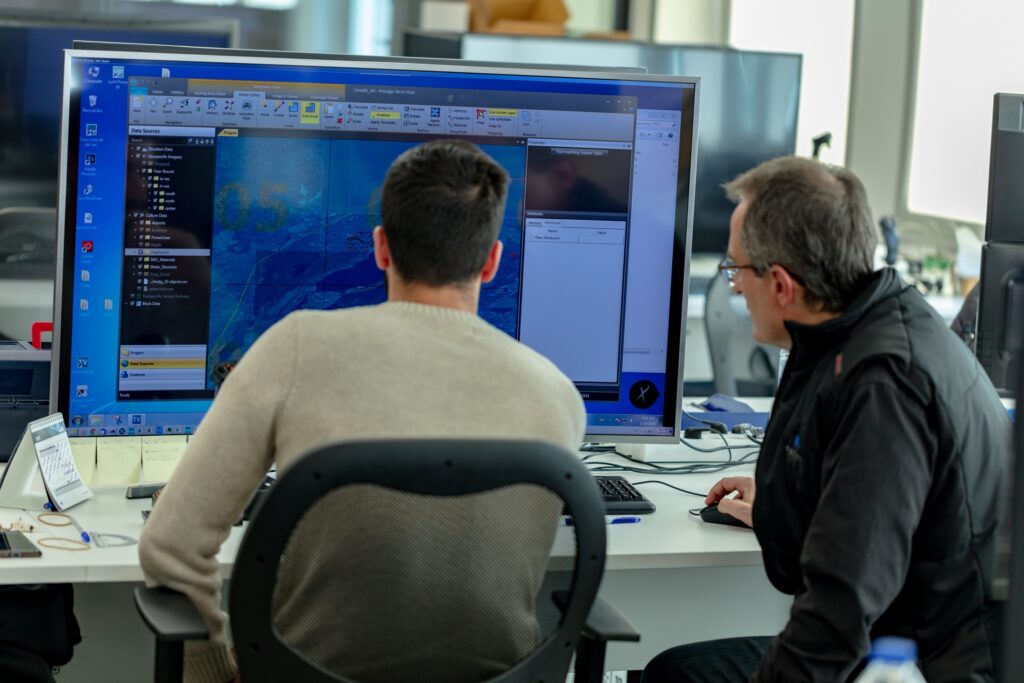
How entrol supports simulators throughout their lifetime
According to entrol, its in-house technology allows the company to support customers throughout the simulator’s lifetime. This support includes:
- Maintenance centres in Madrid (Spain) and Monterrey (Mexico).
- Spare parts service, remote access for software corrections and navigation database updates.
- Technician training, preventative maintenance checklists, a maintenance toolbox and detailed documentation.
- Automatic QTGs for recurrent certifications and support with authority evaluations.
- Future upgrades, including new avionics, optional equipment after installation and visual database updates.
Simulators are integrated at entrol’s headquarters in Madrid and undergo a factory acceptance test before delivery.
How long does a flight simulator last?
Based on entrol’s experience, a Flight Training Device (FTD) typically remains in service for around 15 years, with an upgrade of its computers and visual system at approximately the 10-year mark.
Full Flight Simulators (FFSs) are generally expected to remain in service for longer, around 20 to 25 years, also with mid-life upgrades of computers and projector or LED visual systems.
These figures are indicative. The actual lifespan of each device depends on how intensively it is used, how it is maintained and which upgrades are carried out during its life.
Are helicopter flight simulators less durable than airplane flight simulators?
Not necessarily. Helicopter simulators place specific loads on controls and vibration systems, while fixed-wing devices often face intensive procedural use. Durability depends on the design and maintenance of each device rather than on the aircraft category.
Can an older simulator be upgraded instead of replaced?
Often, yes. Visual systems, computers, avionics and other subsystems can be upgraded individually if the architecture allows it. Under FAA Part 60, changes to systems such as motion, visual or control loading are treated as modifications and must follow the applicable approval process.
What causes a simulator to lose its qualification?
Under 14 CFR Part 60, qualification is automatically lost if, among other cases, the device is not inspected as required or is moved to a different location. Unresolved inoperative components can also restrict its use.